Make Room for an Identity Beyond Motherhood
You do not need a reinvention plan to stay connected to yourself. Start with an interest, a preference, or a conversation that belongs to you.
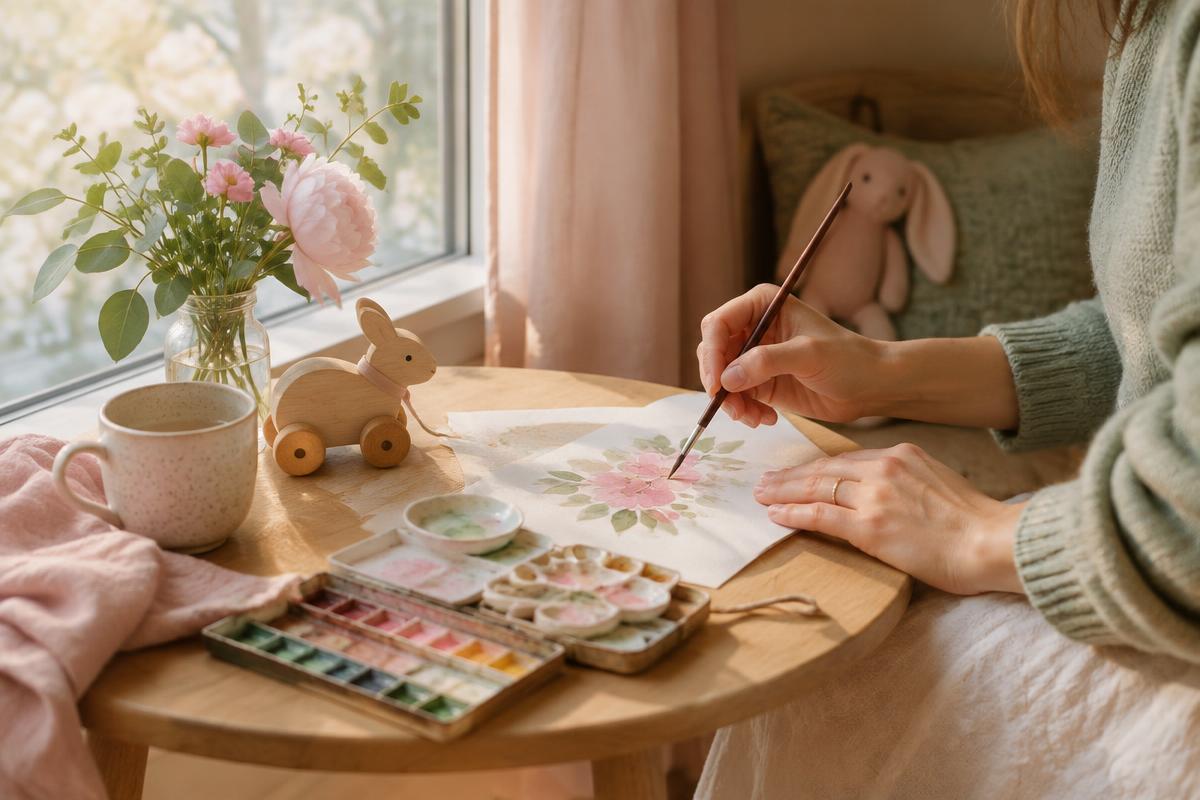
“Find something for yourself” can sound like an assignment. First identify a passion. Then research a class, arrange care, buy supplies, and become the kind of person who attends regularly. By the time you reach the calendar, the appealing idea has become another responsibility.
There is a smaller place to begin. You can make room for parts of yourself without launching a new project or producing evidence that the time was worthwhile. Start with something you want to return to, even briefly, and remove the requirement to become better at it.
Look for a preference before a passion
You do not need a clear answer to “Who am I outside motherhood?” That is a large question to meet at the end of a long day. Try a more ordinary one: “What would I choose if this choice were only about my taste?”
It might be a particular kind of music, following local history, drawing buildings, reading about space, or keeping up with a sport. It can also be a preference you have now rather than a hobby you had before children.
Write down two or three things that catch your attention. Leave out anything you feel you should enjoy. You are collecting possibilities, not choosing a permanent identity.
Keep the smallest satisfying version
Take one interest and ask what its smallest enjoyable form looks like. Someone who likes making things might mend one loose button with a color they enjoy. Someone interested in art might spend a few minutes looking closely at a painting online. A reader might return to a short story rather than start a reading challenge.
Small does not have to mean rushed. It means the activity can fit without extensive setup or cleanup. If the preparation takes longer than the available time, choose a version with fewer steps.
Make stopping straightforward too. Use a bookmark, keep materials together, or write one sentence about where to resume. You should not have to finish a whole thing before the time counts.
Attach it to an opening that already exists
Look for an occasional opening rather than inventing a perfect daily routine. Perhaps you sometimes have ten minutes after a shift, a quiet part of a lunch break, or a short wait when you are genuinely off duty. Use that opening when it is available.
Do not count time that requires your attention for driving, supervising children, or another responsibility. And do not automatically borrow from sleep or rest. Sometimes the most appealing personal choice will be to sit quietly without adding content or activity.
You can leave a book where you already sit, save one article to read later, or keep a small notebook in a bag you use. The setup should remove a step, not add an organizing project.
Let your preferences be visible
Identity also appears in everyday choices. Choose music you like during a shared meal when that works for the household. Mention something interesting you read. Wear a color because you enjoy it. Offer your actual opinion when someone asks what you want to watch.
Readers are also sharing: Peptides Went Mainstream This Year. Here’s How Moms Got Swept Up in It
These moments do not replace private time. They simply make room for the fact that you have tastes and interests alongside your caring responsibilities. Your family does not need to share every one of them.
If a child asks what you are doing, a plain answer is enough: “I like learning about gardens, so I am reading this.” You do not need to turn the interest into a lesson or an activity for everyone.
Find one conversation that is yours
Think of someone with whom you can discuss more than logistics. You might send a photograph of something you both like, ask about a book, or pick up an old conversation. A voice note can work if arranging a call is difficult and the other person welcomes them.
There is no obligation to reconnect with a large social circle. Nor must you avoid talking about your children. The point is to leave room for another subject, not to perform a separate version of yourself.
If nobody comes to mind, keep the interest itself. Sharing it can come later, if you want.
Refuse the extra performance requirements
You do not have to post the drawing, finish the book, monetize the skill, or keep a streak. Avoid measuring an interest so closely that missing a week feels like falling behind.
A useful check is whether you want to return to it. If the answer is no, change the activity or let it go. If you have almost no discretionary time, acknowledge that constraint rather than treating it as a failure of imagination.
For now, choose one small thing you like and make it easier to reach. Your interests can remain unfinished, private, and irregular. They still belong to you.
Read next
 MotherhoodEpithalon and the Longevity Question: She Wanted More Years in the PictureWanting more family photographs is understandable. Epithalon research still requires careful distinctions between human cells and human lives, and between a synthetic peptide and Epithalamin.
 MotherhoodI Love My Children. I Miss Myself. Both Can Be True.You can adore your family and ache for parts of your old life. Naming what you miss can reveal a surprisingly small place to begin.
 Beauty & Self CareTen Minutes for Yourself Without Making It Another JobChoose a small break that meets the moment, without equipment, a streak or a promise to become a different person.
 Real Stories & CommunityWhen Did I Become Last on My Own List?Your appointment keeps moving; everyone else’s stays put. Here’s how to turn one postponed need into a plan that actually has room for you.
Get the weekly digest
One email a week. Unsubscribe anytime. Privacy Policy
More in Motherhood
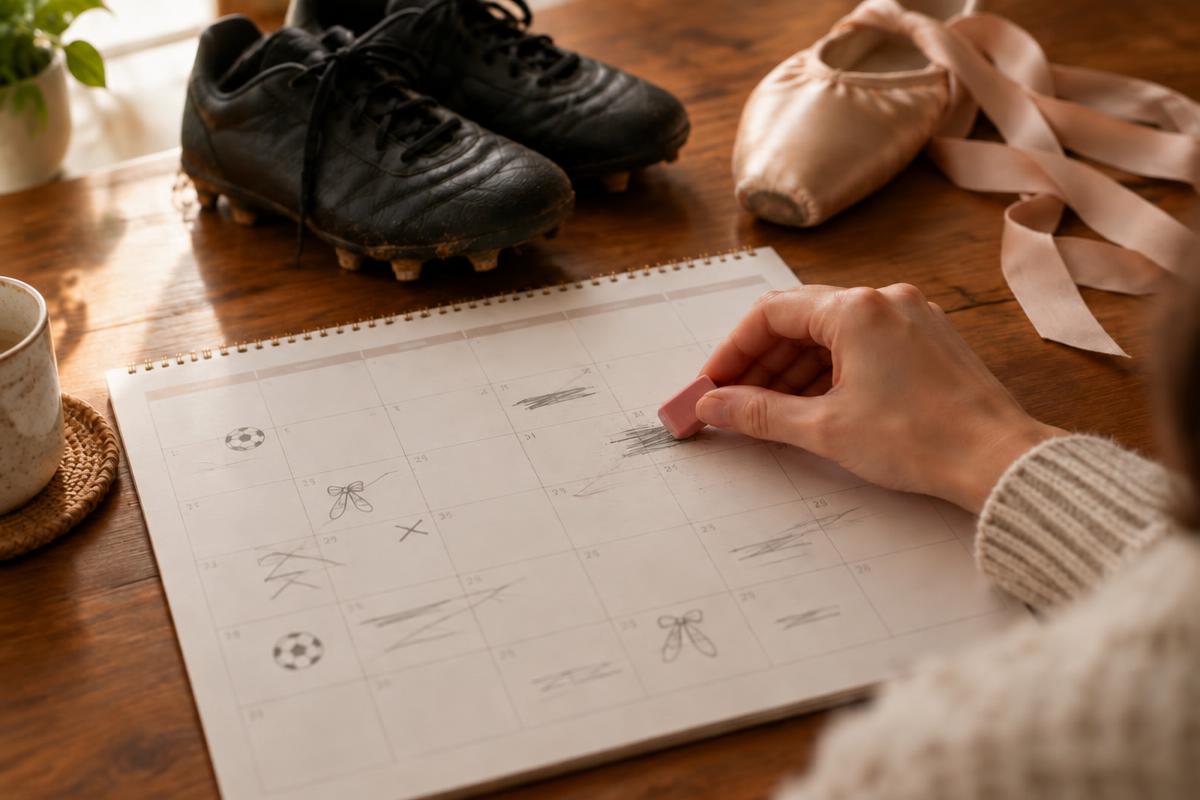
Make the Family Calendar Smaller Without Burning Bridges
A crowded calendar includes more than the hours on the page. Review the hidden work, choose what to pause, and use clear language to decline kindly.

A Workable Transition Home From School or Childcare
The journey from pickup to evening does not need a perfect routine. Plan the first few steps, postpone nonessential questions, and make the handover work for your household.