A Family Travel Budget That Leaves Room to Enjoy the Trip
A practical way to compare the full cost of a family getaway, choose worthwhile comforts and make room for treats without constant money negotiations.
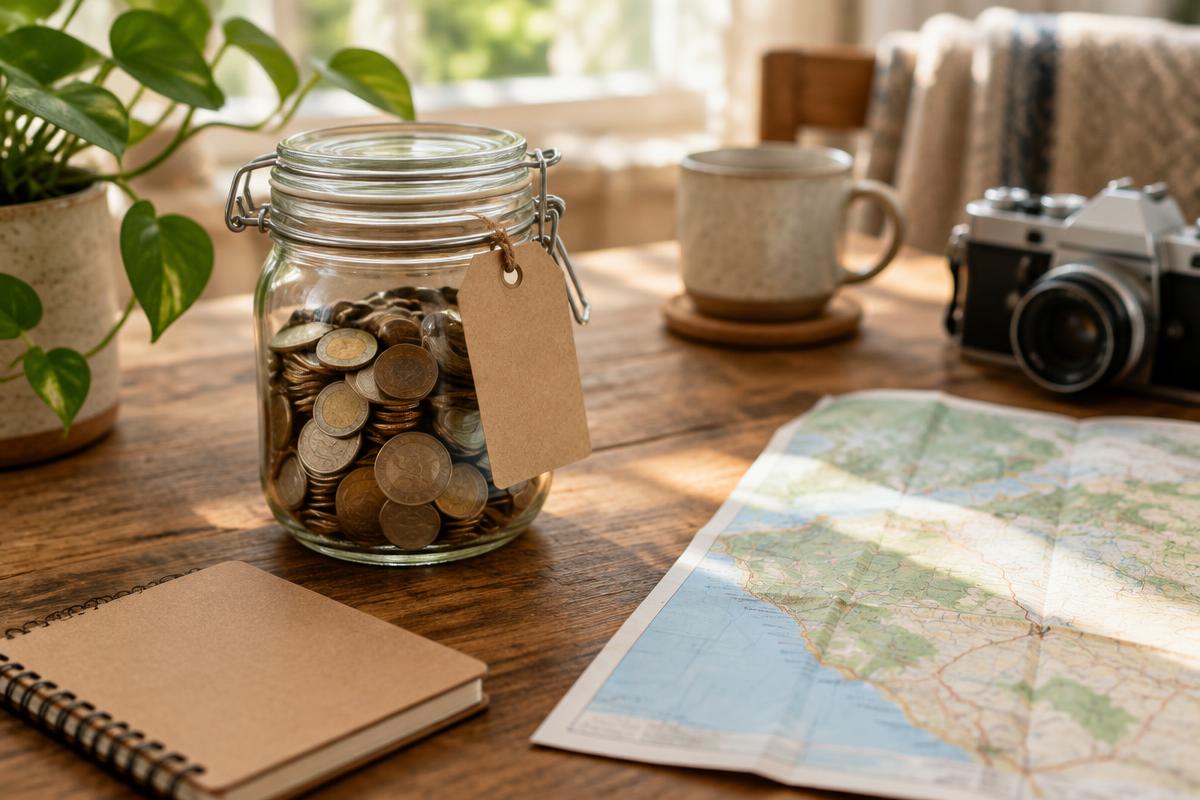
The bargain accommodation looks wonderful until you add parking, an extra room and the long drive to everything you wanted to do. Meanwhile, one child has already chosen a souvenir and someone needs lunch. A family travel budget earns its keep when it accounts for the trip you will actually take, including the tired afternoons.
Start with what you can comfortably spend, then shape the getaway around that amount. You do not need to stretch an everyday budget to prove that your children have had a proper holiday. A shorter trip with breathing room can be a kinder choice for everyone, including the mother carrying the bookings in her head.
Price the whole trip before choosing the bargain
Give each possible trip the same categories: transport, accommodation, food, activities, practical extras and a reserve. Include costs that are easy to overlook, such as luggage, seat selection where applicable, parking, laundry, pet care and getting to the departure point. Check actual terms rather than assuming that a family-friendly label means children stay or eat free.
Compare equivalent options. Two nights with breakfast and nearby activities may cost less overall than three nights in a cheaper room far away. A kitchen can be useful, but only if you want to shop, cook and clean during this particular break. Write down who would do that work before calling it a saving.
For travel outside Canada, include appropriate insurance in the planning. The Government of Canada advises buying travel health and trip interruption insurance before departure; provincial or territorial coverage may pay little or nothing toward care abroad. Review existing coverage, exclusions and policy terms with the provider rather than assuming a credit card covers everyone. Government of Canada travel insurance guidance.
Decide what is worth paying for
Ask each traveller for one priority. A child might choose a particular activity while you choose a room arrangement that allows an evening conversation after bedtime. Keep the list short enough to influence decisions.
Then divide spending into three groups:
- Protect: the basics that make the trip workable, such as suitable accommodation and safe transport.
- Choose: a few experiences or comforts the family genuinely values.
- Skip: extras that look appealing but do not serve this trip.
You might choose one paid attraction and use nearby public spaces for other outings, after checking access and conditions. Or pay for a convenient location and bring familiar breakfasts. Savings are personal. Another family's favourite compromise may be exactly the thing that exhausts you.
Budget for ordinary human moments
Leave an unassigned amount for changes, a forgotten essential or a meal that needs to be easier than planned. Choose the amount based on your circumstances; there is no percentage that makes every family's budget secure.
Keep this reserve separate from the fun allowance. If every dollar is allocated to advance bookings, a small change can become a stressful conversation. If the whole trip only works when nothing changes, reduce the scope before leaving rather than hoping everyone stays cheerful and nothing goes wrong.
Readers are also sharing: Is Your Gym Friend on Peptides? The Quiet Trend Behind the Glow-Up
A simple note on your phone is enough to track spending. Record the total once a day, not after every ice cream. If you are travelling with another adult, share that responsibility and agree who can approve a bigger change.
Give children clear choices before the gift shop
Explain the plan in words they can use: “We have money for one souvenir on this trip. You can choose now or wait until the last day.” Younger children may need two concrete options. Older children can compare prices within a clearly agreed allowance.
Avoid making children responsible for adult financial worries. They can practise choosing without hearing that an ordinary request has ruined the holiday. When a request is outside the plan, a calm “We are not buying that today” is enough.
Keep a small list of no-purchase pleasures: a playground stop, looking for interesting doors, drawing the view or choosing the next song. These are invitations, not substitutes you must sell as better than every paid activity.
Save the lessons rather than the guilt
After the trip, note which costs were worthwhile, what surprised you and what nobody missed. Keep the actual total for next time. An unused attraction pass or extra taxi fare is information, not a verdict on your ability to plan.
Printable budget checklist
- Set a comfortable overall spending limit.
- Compare complete trip costs, including practical extras.
- Check cancellation terms and relevant insurance coverage.
- Choose a few family priorities.
- Leave a reserve for changes and forgotten essentials.
- Agree on treats and souvenir choices before outings.
- Share spending checks with another adult where possible.
- Save one useful lesson for the next trip.
At Mother When, we make room for the mother in the holiday plan too. Choose a budget that lets you be present, rather than spending the whole trip quietly doing sums.
Read next
 Health & FitnessYour Gym Friend Looks Stronger. Let’s Talk About Your ComebackPeptide talk can turn an ordinary workout into a comparison exercise. Here is how to bring the focus back to your own strength and recovery.
 Travel & Real LifePlan a Family Holiday Day That Everyone Can Actually EnjoyChoose a workable home base, build a day around one main outing and leave enough space for food, rest and the unexpected.
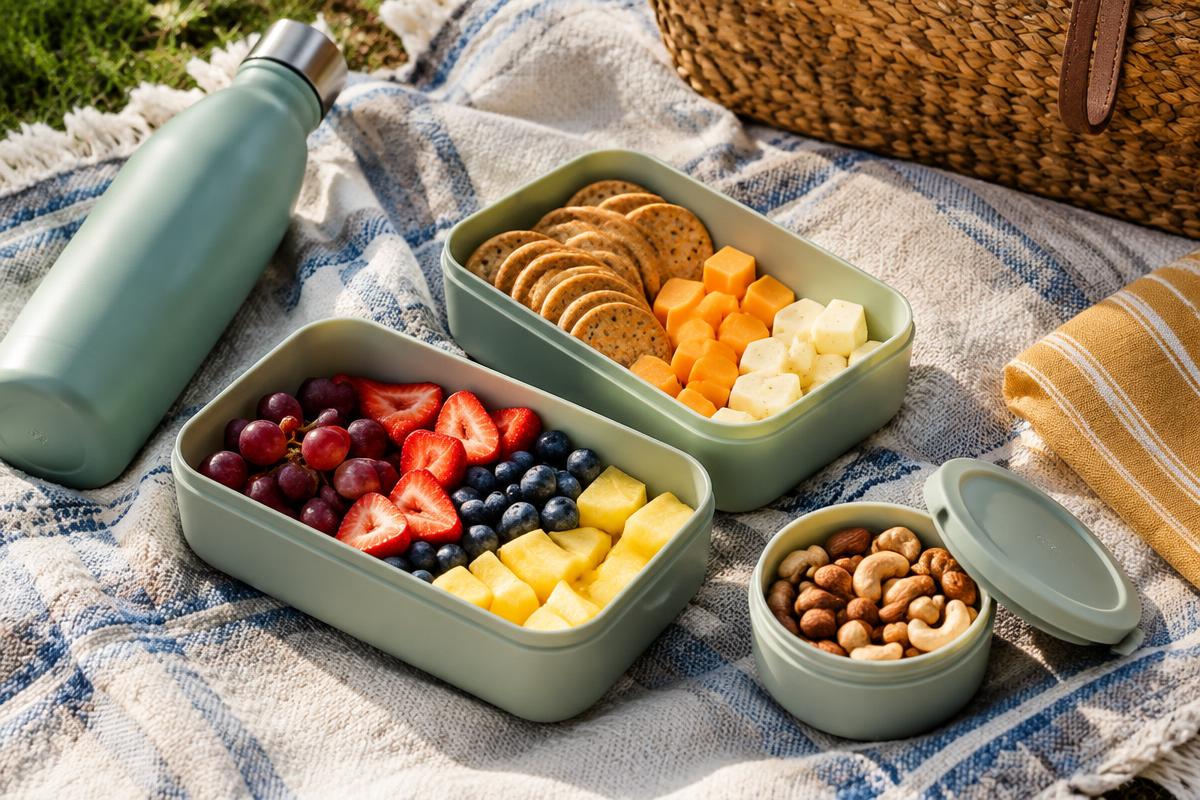 Travel & Real LifeSimple Travel Snacks and Family MealsKeep travel meals familiar and manageable with a short food plan, safe cooler packing and less pressure at the table.
 Travel & Real LifePlanning a Multigenerational Family TripAgree on costs, responsibilities and time apart before travelling with grandparents, relatives and children of different ages.
Get the weekly digest
One email a week. Unsubscribe anytime. Privacy Policy