Your Gym Friend Looks Stronger. Let’s Talk About Your Comeback
Peptide talk can turn an ordinary workout into a comparison exercise. Here is how to bring the focus back to your own strength and recovery.
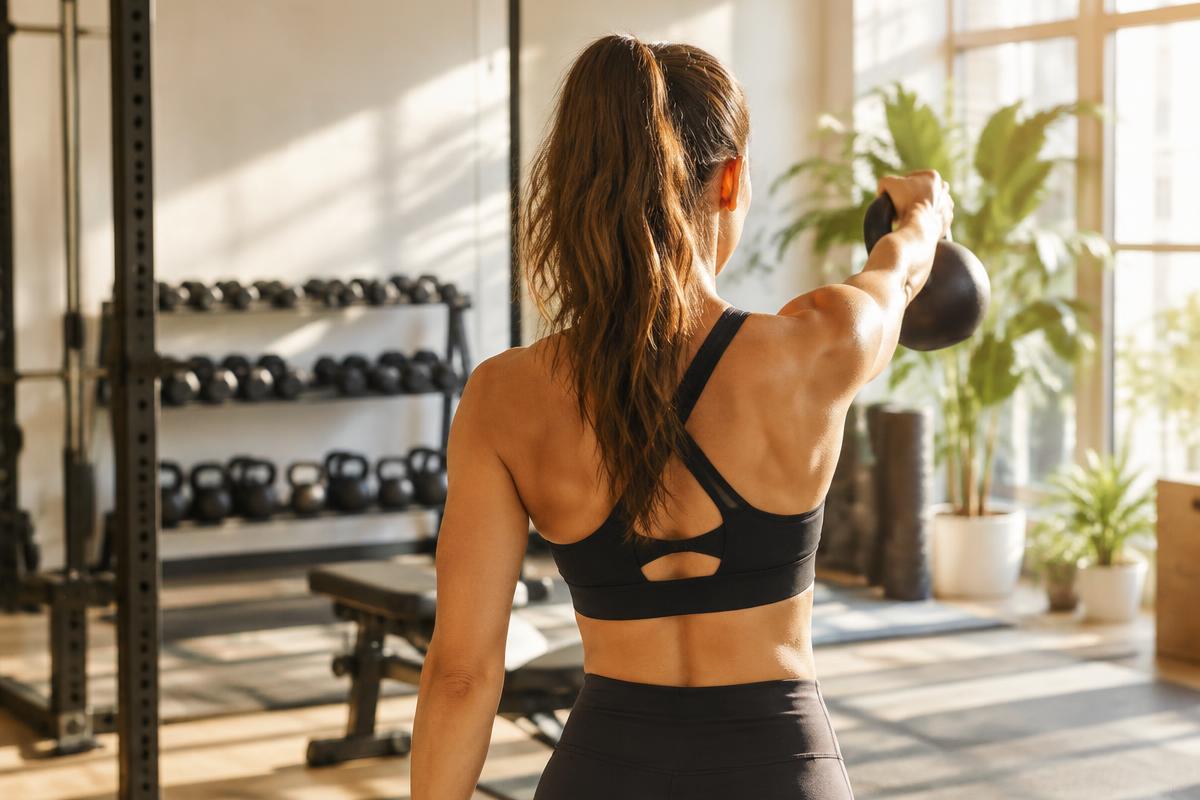
Imagine arriving at the early class with one sock inside out and a school permission form still on your mind. The woman beside you adds weight to her bar. You remember when you were lifting the same amount.
It takes about three seconds for a perfectly ordinary workout to become a private audit of everything you are not doing.
Then someone mentions peptides, and comparison acquires a new question: is there something you are missing?
A visible change does not reveal someone’s medical history
You cannot infer what a person takes from her appearance, strength or recovery. You also cannot see all the time, support, setbacks or training that came before that morning.
If you want advice, ask a question that leaves room for privacy: “What has helped you make training more consistent?” Accept whatever she chooses to share.
Look carefully at “exercise peptide” claims
MOTS-c sometimes appears in fitness discussions. A widely cited study reported improved physical performance after treatment in mice. Its human component measured naturally occurring MOTS-c responses to exercise in ten young men; it did not test MOTS-c treatment in women or demonstrate human treatment benefits. Primary study: MOTS-c, exercise and physical performance
That distinction can disappear in a short video. “A molecule changed during exercise” and “taking this will reproduce exercise benefits” are different claims. A research-only product should not be used as a personal recovery shortcut.
Give yourself a plan you can actually use
There is encouraging research on training itself. In the LIFTMOR randomized trial, supervised resistance and impact training improved bone and physical-function measures in postmenopausal women with low bone mass. Participants were screened and closely supervised, so this is not a recommendation to copy the program alone. Watson et al.: LIFTMOR randomized exercise trial
For this week, choose one manageable commitment: a shorter session you can repeat, a walk during practice, or help from a qualified trainer to make your routine more realistic.
If pain or unusual fatigue keeps interfering, get it assessed instead of repeatedly pushing through. Ask whether your plan needs changing and what support would help.
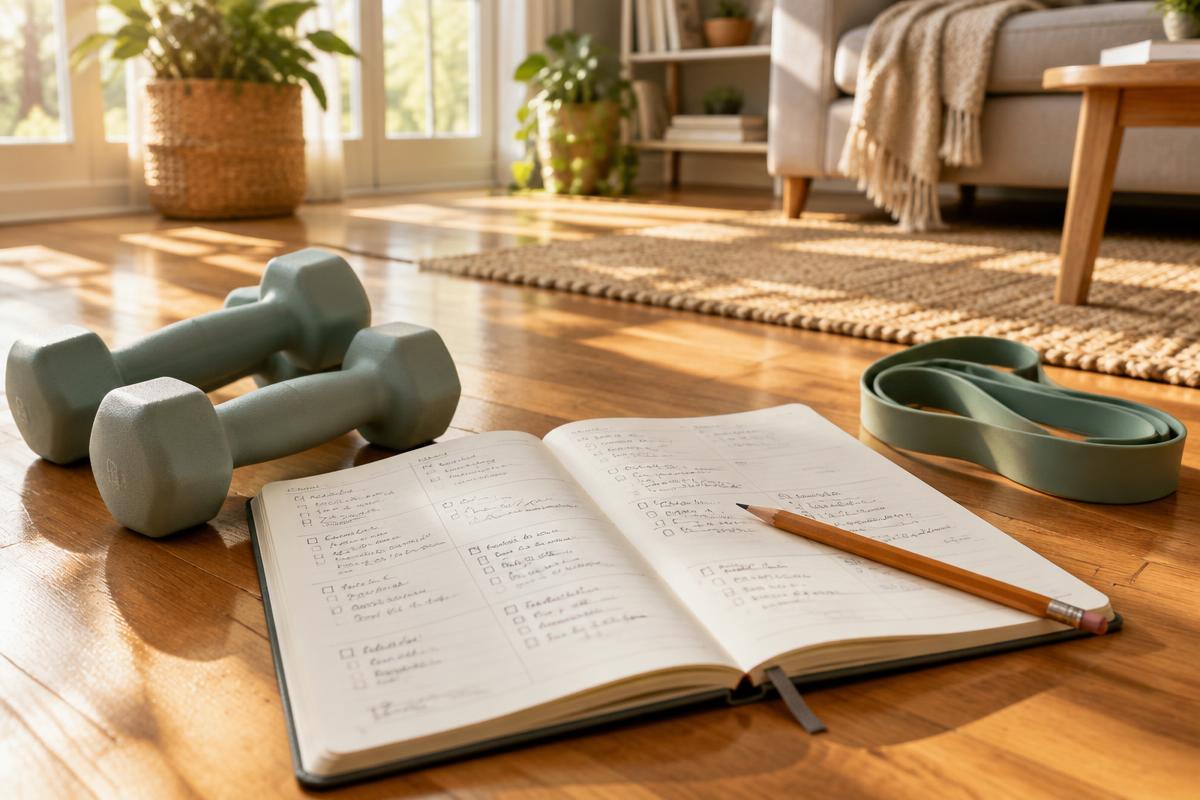
Track something that belongs to your life: carrying the groceries more comfortably, feeling steadier on the stairs, or simply returning next week.
Your friend can inspire you without becoming a puzzle to solve. Your progress can be worth noticing before it is visible to anyone else.
Research worth reading
Reynolds et al.: MOTS-c, exercise and physical performance. Early science: encouraging mouse performance findings and a human exercise-response experiment, not evidence for MOTS-c treatment in women.
Watson et al.: LIFTMOR randomized exercise trial. Human randomized trial: encouraging results from a screened, supervised exercise program for postmenopausal women with low bone mass.
General education, not personal medical advice. Discuss health concerns and treatment decisions with a qualified clinician. Selected research examples illustrate encouraging findings and their limits; they are not a complete review of benefits and risks.
Read next
 Health & FitnessTesamorelin and the Waistband Question: Who Was Studied, and What Changed?Tesamorelin results come from a specific clinical group. Here’s who was enrolled, what changed and why that matters before applying it to midlife weight.
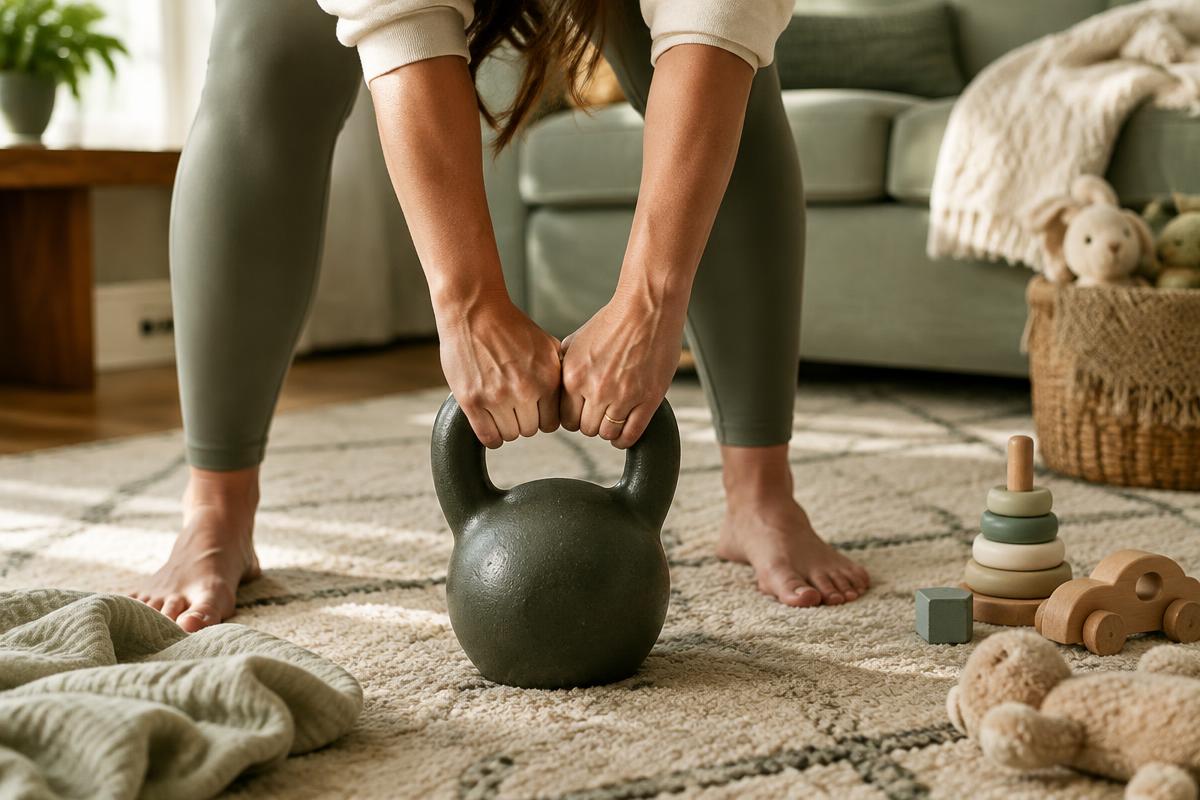 Health & FitnessStrong Mothers: Training for Real LifeGroceries are heavy. Life is awkward. A simple strength plan can help you practice for both—without turning every workout into a test.
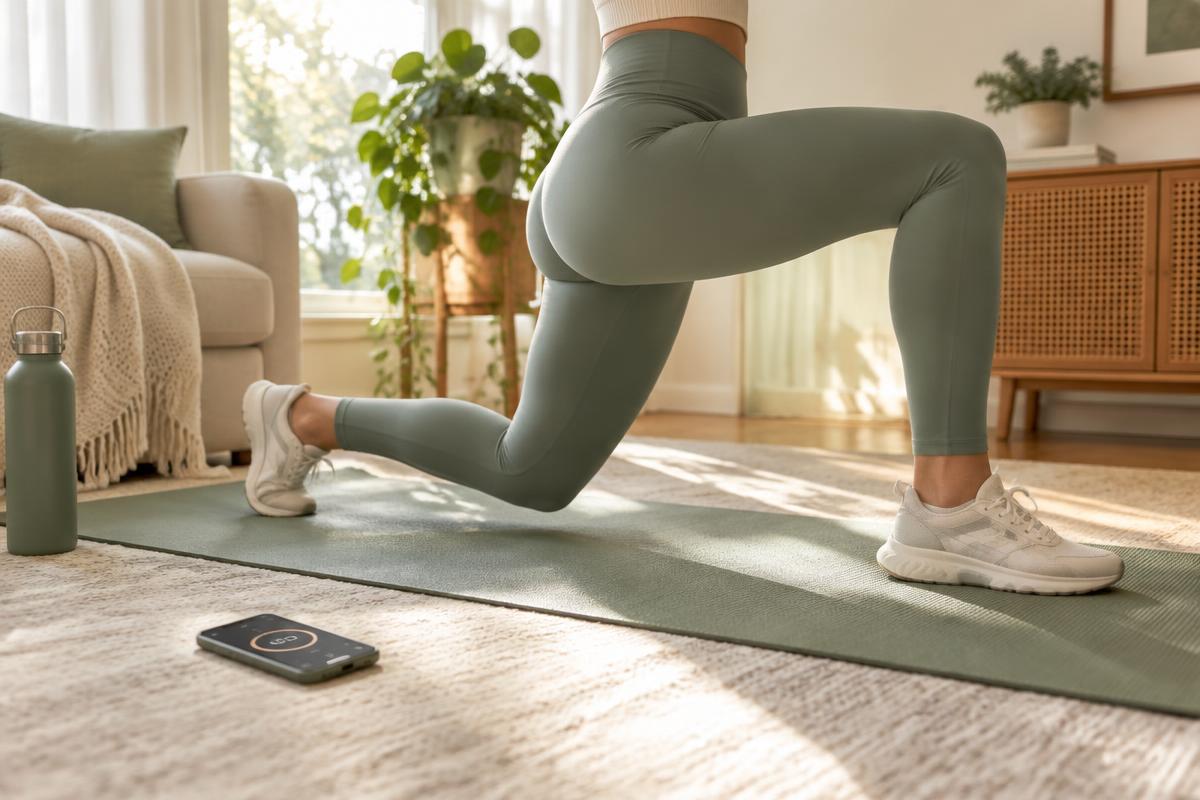 Health & FitnessThe Twenty-Minute Workout That Actually HappensYou have twenty minutes, including setup. Here’s a no-jumping routine that spends them moving instead of choosing a workout.
 Health & FitnessRecovery Is Not a Luxury for Busy WomenYour workout ends, but your workload doesn’t. Build recovery around real life—not an imaginary afternoon when nobody needs you.
Get the weekly digest
One email a week. Unsubscribe anytime. Privacy Policy
More in Health & Fitness
The CagriSema Headline Said 25%. Here’s the Part Women Should Read Twice.
A 25% weight-loss headline sounds straightforward. Who was counted, what the researchers assumed and what they didn’t test make it a much more useful story.

The HRT and GLP-1 Finding Worth a Closer Look
A larger study is putting menopause hormones into the GLP-1 conversation. The findings are worth understanding, especially the difference between a pattern and proof.
Semaglutide or Tirzepatide After 50? What the Studies Actually Tell Women
Tirzepatide produced greater average weight loss in a direct trial, but age, medical history, strength and the outcome being studied all matter. Here is how to read the comparison without mistaking averages for personal promises.
Discussion
Loading comments…