Menopause Hormone Therapy Is Back in the Headlines. What Actually Changed?
The latest menopause guideline is more specific than the headlines. Here’s what it says about hot flashes, sleep and mood, and what the U.S. update means for Canadian readers.

You see the headline between a school email and a text asking what’s for dinner. A medical group is backing hormone therapy for menopause. You forward it to a friend, who sends back the obvious question: “Weren’t they always doing that?”
Yes, in an important sense. The American College of Obstetricians and Gynecologists (ACOG) already recognised hormone therapy as the most effective treatment for menopausal hot flashes in 2014. What the new guideline gives clinicians is a clearer way to consider three problems women often bring up together: hot flashes and night sweats, disrupted sleep, and changes in mood. It also tells them where the evidence is less clear.
That distinction is useful when a news alert makes it sound as though one new document overturned everything you were told. Here’s what changed, what didn’t, and why a U.S. update isn’t the same thing as a new Canadian rule.
The change is in the questions the guideline answers
The 2014 ACOG bulletin focused on vasomotor symptoms, the medical term for hot flashes and night sweats, and vaginal symptoms. Its replacement, Clinical Practice Guideline No. 13, appears in the November 2026 issue of Obstetrics & Gynecology. It focuses on hot flashes and night sweats, sleep and mood in perimenopause and postmenopause. The document covers natural menopause and menopause brought on by medical treatment at age 40 or later. It doesn’t attempt to cover all menopause care.
Imagine an appointment when you’ve had six hours of sleep in two nights. You say, “I’m exhausted and irritable,” and manage to mention the night sweats as the clinician is reaching for the door. From your side of the room, it’s one problem: your week has become much harder to get through. From a treatment standpoint, what wakes you up and what keeps you awake can matter. Giving sleep and mood their own space in the guideline makes it harder to treat those concerns as an afterthought.
It also makes it easier to see where the conclusions diverge. The full guideline grades recommendations by how strongly the panel makes them and how certain it is about the evidence. Those are different judgments. A strong recommendation can be based on evidence of moderate quality. It applies to a defined clinical situation; it doesn’t guarantee the same result for everybody.
Read the sleep recommendation all the way to the end
The update strongly recommends systemic hormone therapy for hot flashes and night sweats and for sleep disruption linked to those symptoms, in people who can safely use hormones. Systemic means the treatment acts throughout the body. The recommendation for sleep is about the disruption those hot flashes and sweats cause, not an endorsement of hormones for every kind of insomnia. The panel rated the evidence for both recommendations as moderate. ACOG guideline, recommendations and evidence review.
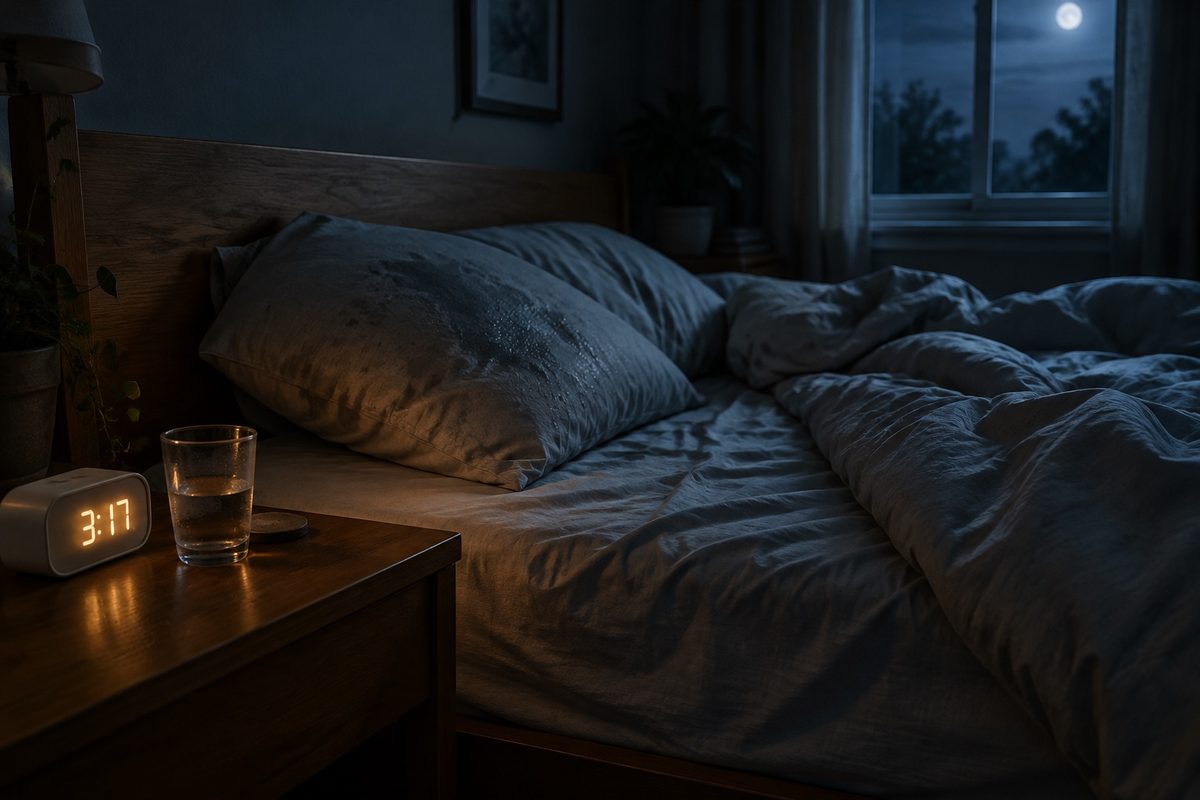
That’s a meaningful distinction at 3 a.m. There’s waking up sweaty, changing your top and going back to bed. There’s waking up cool and lying there for two hours. Some nights there’s both. The stories are different enough to be worth telling separately. The Canadian SOGC guideline on sleep and mood also considers other explanations for poor sleep in midlife. You don’t have to settle the cause on your own to explain what a bad night looks like.
For depressive symptoms associated with menopause, ACOG found insufficient evidence to recommend for or against systemic estrogen-based hormone therapy as a treatment. If depression is the main concern or a person meets criteria for major depression, the guideline points clinicians to depression care. That matters because mood symptoms deserve attention on their own terms. They needn’t wait to be sorted into a menopause story before someone takes them seriously.
The nonhormonal options have changed, too
The 2014 bulletin already had nonhormonal options. The newer guideline includes evidence for a class of medications called neurokinin receptor antagonists, which weren’t part of the 2014 bulletin. It also gives cognitive behavioural therapy a conditional recommendation for hot flashes, sleep or mood symptoms. The strength and purpose of each recommendation differ. Compare the 2014 bulletin with the 2026 guideline’s summary.
Readers are also sharing: Where Do People Get Peptides? One Question Changes the Whole Search
Here’s one way to read that without getting lost in the drug names: there are more ways to have a useful conversation than there used to be. Someone might want to focus first on the nights she can’t sleep. Someone else might care more about getting through her workday without leaving a meeting to cool off. The options in a clinical document are organised by what they’re expected to help, not by how much somebody deserves relief.
A clinical guideline is not a medication label
There are two U.S. stories that can show up together in your feed. ACOG publishes clinical guidance for treating symptoms. The U.S. Food and Drug Administration, or FDA, is responsible for drug labelling. In February 2026 the FDA announced changes to the most prominent warning on six products. The agency lists products with updated prescribing information. A change in where a warning appears isn’t evidence a drug has no risks, and the label should be checked for the specific product.
It’s also worth separating symptom care from promises about the future. The ACOG update addresses symptom management. The U.S. Preventive Services Task Force’s separate recommendation advises against using systemic hormone therapy for the primary prevention of chronic conditions in the postmenopausal population it evaluated. It did not evaluate treating troublesome symptoms in that recommendation. The two documents answer different questions.
That is an easy distinction to lose when several words from a clinical paper become a caption on a video. Evidence that a treatment helps a particular symptom doesn’t tell us whether it prevents a disease years later. And a finding about taking a treatment to prevent disease doesn’t decide whether it’s worth discussing for a symptom that’s disrupting life today. Before comparing two pieces of advice, check that they’re trying to solve the same problem.
What carries across the border?
Canadian readers can recognise much of the approach. The Society of Obstetricians and Gynaecologists of Canada’s menopause tool already points to hormone therapy as the most effective treatment for hot flashes and night sweats and calls for considering the person’s history, risks and preferences. ACOG’s update doesn’t replace that Canadian guidance. If a U.S. headline names a medication, Health Canada’s Drug Product Database is the Canadian reference for authorisation and product information. Coverage and access are separate questions.
The next time someone sends a sweepingly reassuring or alarming headline, it’s worth asking what was actually updated: advice about a particular symptom, the evidence behind a treatment, or the wording on a medication label. Those are three different things. In this case, the most useful news is that clinicians now have more explicit guidance for the overlapping problems women have long been trying to describe in one short appointment.
Sources
- ACOG Clinical Practice Guideline No. 13: Management of Menopause-Related Vasomotor, Sleep, and Mood Symptoms (2026); full ACOG guideline PDF.
- ACOG Practice Bulletin No. 141: Management of Menopausal Symptoms (2014; historical document, superseded).
- SOGC Menopause Tool and SOGC Guideline No. 422c: Mood, Sleep and Cognition.
- FDA: February 2026 labelling changes and updated product information.
- U.S. Preventive Services Task Force: Hormone Therapy for Primary Prevention of Chronic Conditions.
- Health Canada Drug Product Database.
Read next
 WellnessThat “99% Pure” Peptide Label Is Doing a Lot of WorkA polished label and a laboratory report can look reassuring. Here is what they actually tell you, and what they cannot.
 WellnessWould Menopausal Hormone Therapy Help With the Week You’re Actually Having?You don’t have to know whether you want hormones before you book the visit. Bring the symptom you want help with, what’s changed and these questions.
 WellnessYour Heart Health History Didn’t Start at MenopauseYour pregnancy history can matter long after the postpartum visit. Here’s what a new U.S. heart-health framework is asking clinics to remember, and what Canadian guidance already says.
 WellnessHot Flashes, Broken Sleep and Menopause Relief Without HormonesFewer hot flashes and fewer hours lost to a sweaty wake-up are two different goals. Here’s what the evidence says about nonhormonal relief, and how to ask for the help you want.
Get the weekly digest
One email a week. Unsubscribe anytime. Privacy Policy
More in Wellness

A GLP-1 and Hormone Therapy? Questions to Ask Before You Combine Them
The best combination conversation begins with your symptoms and goals. These practical questions help connect menopause care, weight treatment and the medicines you already take.

The Menopause Appointment You Keep Putting Off: How to Make It Count
A little preparation can help you leave a menopause appointment with clearer answers, realistic options and a follow-up plan. Here is how to make room for the symptoms you keep brushing aside.
Discussion
Loading comments…