I Kept Showing Up for Everyone Until I Barely Recognized Myself
November 7, 2026 — Four kids. A full-time job. Eleven years without a full night’s sleep. Then one photo made me stop putting myself last.
November 21, 2026 — The best handoff isn’t ‘let me know.’ It’s someone owning the ride, the details and the follow-up.
November 21, 2026 — Your child can read the chapter on their own. They might still want to hear you do the voices.
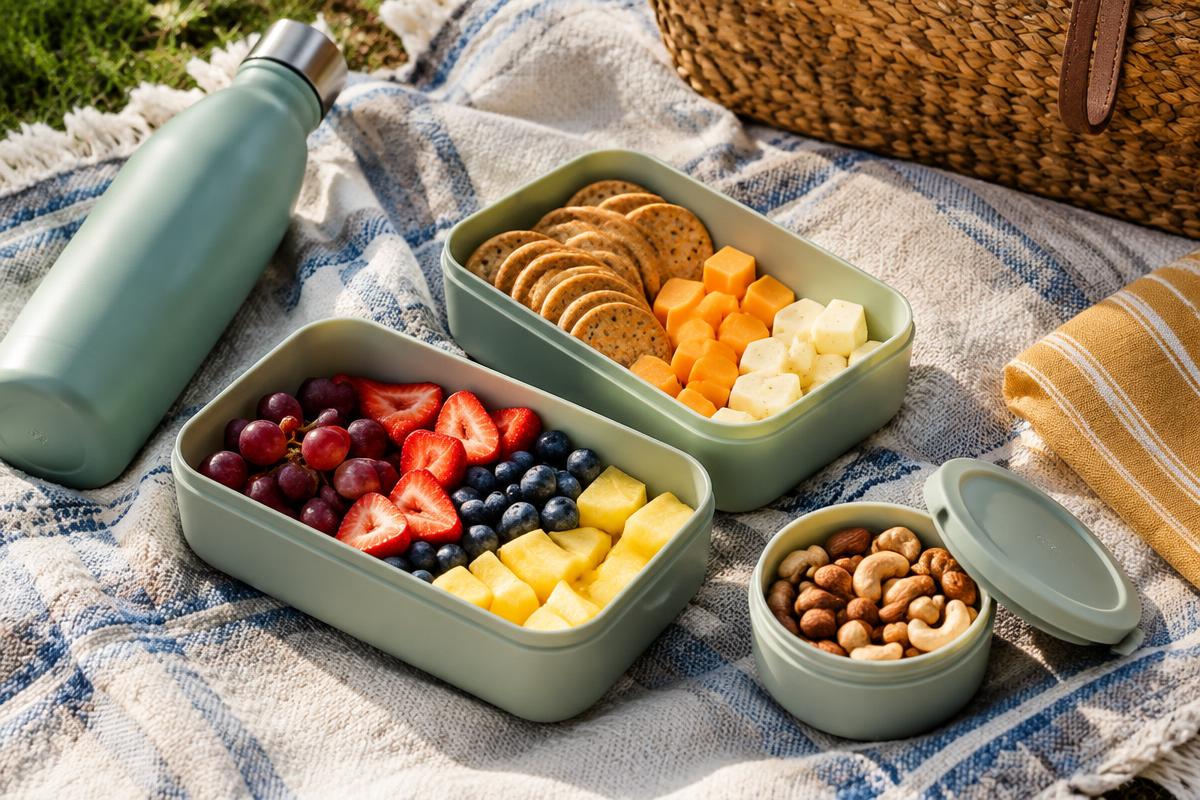
November 21, 2026 — Sometimes it’s about the extra berry. Sometimes it’s about who is always the one asked to wait.
November 21, 2026 — Keep the school alerts, mute the sales pitches, and stop being the person who forwards everything.
November 21, 2026 — Choose what’s worth keeping, let your child weigh in and give the pieces you save a home.
November 21, 2026 — Choose one dinner to assemble, one to cook simply and a backup you can serve even on the longest day.
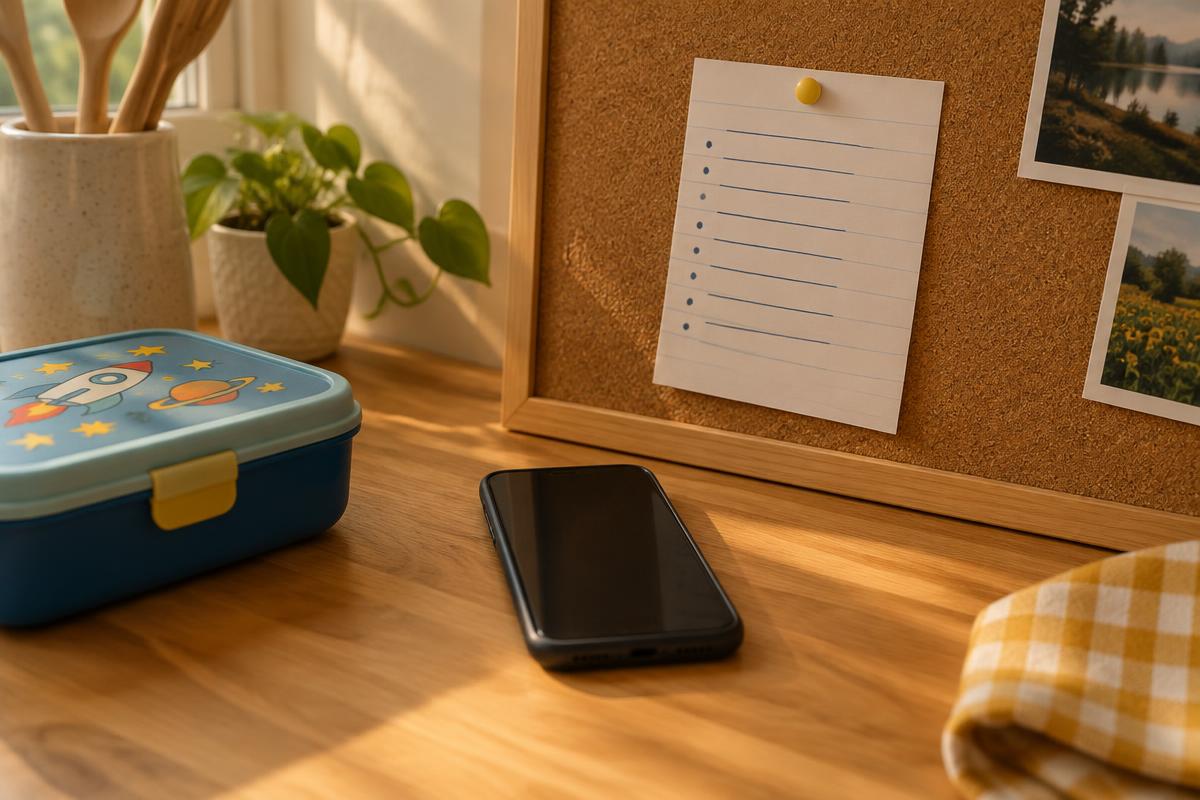
November 21, 2026 — A practical way to remember the things that need to get out the door: put one visible cue where you can still act on it.
November 20, 2026 — The best combination conversation begins with your symptoms and goals. These practical questions help connect menopause care, weight treatment and the medicines you already take.
November 19, 2026 — A little preparation can help you leave a menopause appointment with clearer answers, realistic options and a follow-up plan. Here is how to make room for the symptoms you keep brushing aside.
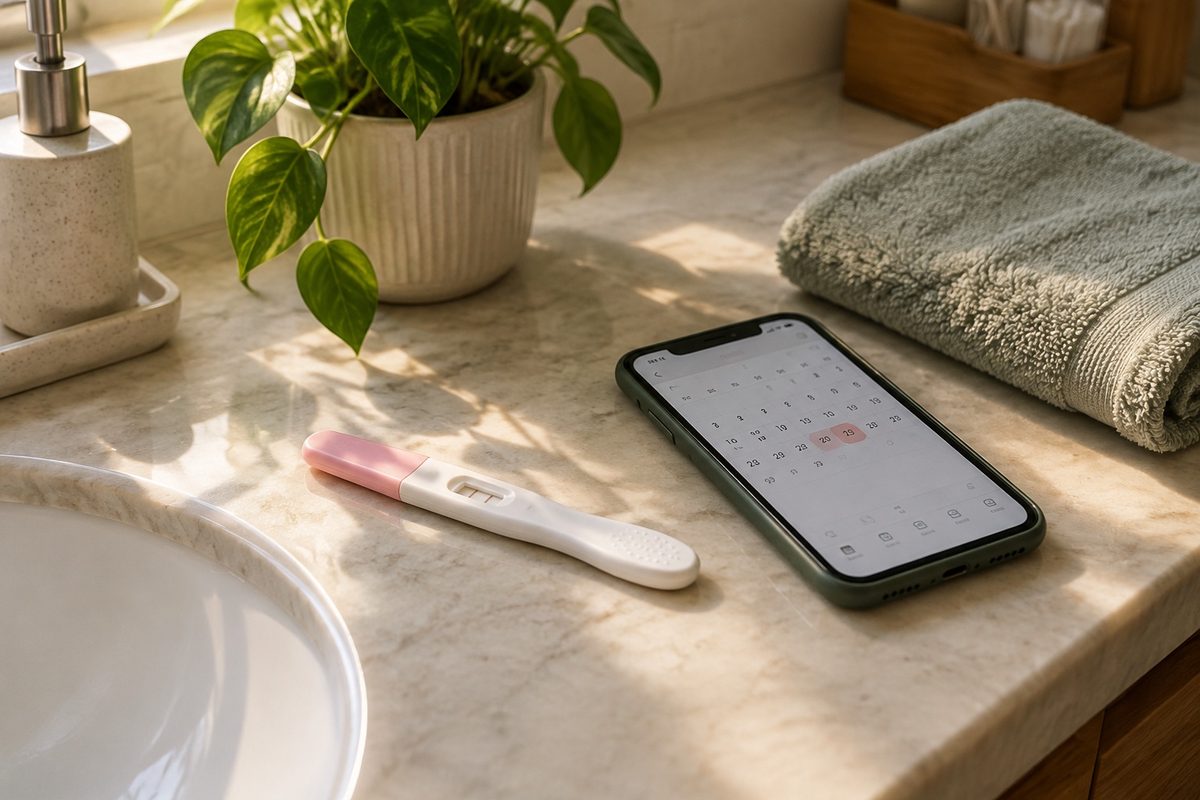
November 18, 2026 — A positive test can turn a medication calendar into a source of panic. Here’s what early-exposure studies can tell us, what they can’t, and what to ask your care team next.
November 17, 2026 — The latest menopause guideline is more specific than the headlines. Here’s what it says about hot flashes, sleep and mood, and what the U.S. update means for Canadian readers.
November 16, 2026 — A 25% weight-loss headline sounds straightforward. Who was counted, what the researchers assumed and what they didn’t test make it a much more useful story.
November 15, 2026 — Your pregnancy history can matter long after the postpartum visit. Here’s what a new U.S. heart-health framework is asking clinics to remember, and what Canadian guidance already says.
November 14, 2026 — A larger study is putting menopause hormones into the GLP-1 conversation. The findings are worth understanding, especially the difference between a pattern and proof.
November 13, 2026 — You don’t have to know whether you want hormones before you book the visit. Bring the symptom you want help with, what’s changed and these questions.
November 12, 2026 — Tirzepatide produced greater average weight loss in a direct trial, but age, medical history, strength and the outcome being studied all matter. Here is how to read the comparison without mistaking averages for person…
November 11, 2026 — Fewer hot flashes and fewer hours lost to a sweaty wake-up are two different goals. Here’s what the evidence says about nonhormonal relief, and how to ask for the help you want.
November 11, 2026 — Two large trials did not show that semaglutide slowed early Alzheimer’s disease. Other lines of research are still being explored—here’s what was measured, and what it means for midlife brain fog.
November 2, 2026 — Prescription medicines, cosmetics, compounded drugs and research catalogs are different routes. The distinction matters more than the recommendation.
October 29, 2026 — A polished label and a laboratory report can look reassuring. Here is what they actually tell you, and what they cannot.
October 25, 2026 — A plateau doesn’t tell you whether medication is right for you. Start with who the semaglutide trials studied, what they measured and what to ask a prescriber.
October 20, 2026 — Your watch has plenty of numbers. Which ones actually help? A smaller dashboard can make room for better questions—and less checking.
October 14, 2026 — The conversation can move quickly from afternoon fatigue to unfamiliar compounds. Four questions help you keep your footing.
October 6, 2026 — A friend’s recommendation can feel more reassuring than a study. You can protect the friendship and still ask better questions.
September 27, 2026 — A useful checklist for the late-night scroll, including the reassuring phrases that do not prove a product is safe.
September 14, 2026 — Tesamorelin results come from a specific clinical group. Here’s who was enrolled, what changed and why that matters before applying it to midlife weight.
September 3, 2026 — A parent asks the chat for a physiotherapist and gets a BPC-157 tip instead. Before a recommendation becomes evidence, ask whether the research studied the same problem in people.
August 22, 2026 — The same word appears in skincare, prescription medicine and research catalogs. Here is a simple way to keep the categories straight.
August 9, 2026 — The stairs feel steeper, and your period runs the calendar. Here’s why low iron deserves more than another coffee.
July 30, 2026 — An expensive label can feel reassuring, and a bargain can feel risky. Neither feeling establishes what is in a product or whether it belongs in your care.
July 15, 2026 — GHK-Cu may sound like the next skincare essential. Before adding another bottle, separate the ingredient, the finished product and the evidence.
July 4, 2026 — A mother’s interrupted Saturday opens an honest look at MOTS-c, the difference between natural exercise responses and administered peptides, and why persistent fatigue deserves clinical attention.
June 18, 2026 — Peptide talk can turn an ordinary workout into a comparison exercise. Here is how to bring the focus back to your own strength and recovery.
May 29, 2026 — The dishwasher is humming. Your brain is still on duty. Here’s how to stop making sleep wait until the house is finished.
April 23, 2026 — The evening can be quiet while your thoughts remain busy. Here is what small clinical and animal studies of SELANK do—and do not—say about relief from overwhelm.
March 18, 2026 — You can adore your family and ache for parts of your old life. Naming what you miss can reveal a surprisingly small place to begin.
February 10, 2026 — Sleepy, wired, heavy, foggy: “tired” can mean different things. The details can help you find a more useful next step than another coffee.
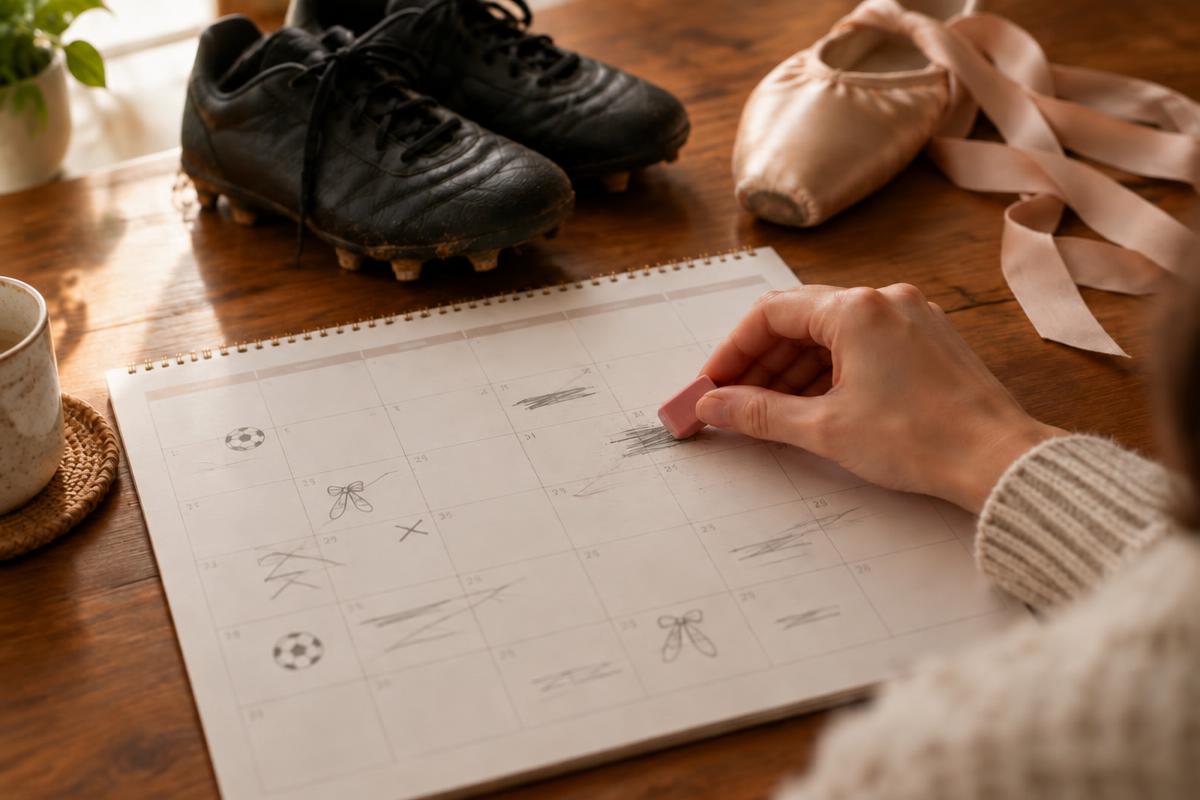
January 5, 2026 — Your meetings fit. The driving, handovers, and dinner do not. A more honest calendar starts by showing the time nobody schedules.
November 30, 2025 — From copper-peptide serums to major medical breakthroughs, explore the encouraging science behind a very small molecule with a big story.
October 25, 2025 — Curious about GLP-1s, but tired of everyone having an opinion? Here are the questions that belong in your decision—not theirs.
September 19, 2025 — You have twenty minutes, including setup. Here’s a no-jumping routine that spends them moving instead of choosing a workout.
August 14, 2025 — Someone buys the birthday gift. You still track everything else. The missing piece is ownership, not a prettier shared list.
July 9, 2025 — The jeans pinch, the clock is ticking, and nothing feels like you. A small wardrobe reset can make getting dressed feel personal again.
June 3, 2025 — Knee pain is immediate. Whether BPC-157 research answers it is a separate, narrower question—here’s what the animal studies and one small human report found.
April 28, 2025 — Groceries are heavy. Life is awkward. A simple strength plan can help you practice for both—without turning every workout into a test.
March 23, 2025 — A reset should make ordinary life lighter, not give you a second job. Try one two-week experiment with room for interruptions.
February 14, 2025 — At 2:14 a.m., the name sounds like an answer. The sleep studies behind DSIP are older and smaller than the name suggests—here’s what they found.
January 9, 2025 — The 2 a.m. wake-ups and shorter fuse may have more than one cause. Here’s how to make the conversation about perimenopause useful.
December 4, 2024 — A mother returns to the gym and investigates CJC-1295, discovering why hormone measurements and compound names cannot promise better recovery.
October 29, 2024 — Wanting more family photographs is understandable. Epithalon research still requires careful distinctions between human cells and human lives, and between a synthetic peptide and Epithalamin.
September 23, 2024 — When an ordinary email feels impossible to finish, SEMAX can sound compelling. A closer look at the research shows why curiosity and personal care need different standards.
August 18, 2024 — Your appointment keeps moving; everyone else’s stays put. Here’s how to turn one postponed need into a plan that actually has room for you.
July 13, 2024 — A familiar moment behind the camera opens a careful look at GHK-Cu, topical skincare research, and the limits of a compelling ingredient story.
June 7, 2024 — The brain fog is real, but not every hard day is your thyroid. Build a treatment routine and workday that leave less to chance.
May 2, 2024 — Your face hasn’t missed a deadline. Learn which basics earn their place, what peptide claims mean, and when another bottle isn’t the answer.
March 27, 2024 — Your workout ends, but your workload doesn’t. Build recovery around real life—not an imaginary afternoon when nobody needs you.
February 20, 2024 — A tight waistband can bring a whole history into the room. The science of midlife weight offers a kinder starting point than self-blame.
January 15, 2024 — From metabolic medicines to skin research, some peptides have remarkable human data. Here’s where the most exciting evidence actually starts.
Build a road trip around real family needs, with flexible timing, useful stops and a simpler arrival.
A small menu of low-pressure games, clear turns and kind boundaries can make the back seat easier to share.
A practical airport-to-arrival plan for travelling with children, with seating questions, accessible supplies and a calmer approach to each transition.
Build a lighter family packing system around your real itinerary, laundry access and the essentials you need within reach.
Make room for different interests, energy levels and independence without asking one child to spend the whole holiday waiting for another.
Keep travel meals familiar and manageable with a short food plan, safe cooler packing and less pressure at the table.
A few recognisable bedtime steps and a forgiving itinerary can help you plan for rest without expecting every night away to look like home.
A practical way to compare the full cost of a family getaway, choose worthwhile comforts and make room for treats without constant money negotiations.
Plan a one-adult family trip with manageable transfers, thoughtful document preparation and practical help at the busiest moments.
Agree on costs, responsibilities and time apart before travelling with grandparents, relatives and children of different ages.
Choose a workable home base, build a day around one main outing and leave enough space for food, rest and the unexpected.
A manageable return-home plan for laundry, meals, school bags and travel admin, without turning the final evening into another workday.
When the usual plan stops fitting, choose a smaller one. A practical way to protect essentials, pause optional work, and restart without creating a catch-up mountain.
Asking someone to help can leave you doing all the remembering. Use a whole-task handover to agree on the outcome, decisions, deadline, and follow-through.
You do not need a reinvention plan to stay connected to yourself. Start with an interest, a preference, or a conversation that belongs to you.
A crowded calendar includes more than the hours on the page. Review the hidden work, choose what to pause, and use clear language to decline kindly.
The journey from pickup to evening does not need a perfect routine. Plan the first few steps, postpone nonessential questions, and make the handover work for your household.
Keep the useful basics, spend deliberately and make everyday skincare easier to reach on an ordinary busy morning.
Choose a small break that meets the moment, without equipment, a streak or a promise to become a different person.
Build a few comfortable outfit choices from what fits your actual life, without making confidence another standard to meet.
Keep the parts of getting ready that you enjoy and give rushed mornings a simple version that needs no new purchases.
A practical way to protect a little personal time by changing the workload around it, rather than adding another task to the list.
An explicitly fictional friendship shows how a smaller invitation can make room for connection without pretending that everyone has the same free time.
A fictional mother turns an overwhelming week into one concrete request, with room for the other person to say yes, no, or something smaller.
An explicitly fictional exchange explores how to offer attention or practical help without turning a friend’s difficult moment into your project.
A fictional household conversation follows one recurring task from noticing to completion, then offers a practical way to discuss ownership and limits.
A fictional invitation becomes a small local gathering, with a practical guide to clear expectations, shared effort, accessibility, and privacy.
A short, practical way to leave a usable handoff at work and enter the next part of your day without requiring a peaceful commute or an empty house.
When the assigned work exceeds the time available, a specific conversation can put priorities, trade-offs, and the next decision on the table.
Map realistic care options, confirm their limits, and write a no-coverage plan for the days when another willing adult simply is not available.
A practical way to make the next decision when work and family needs collide, without turning an unavoidable trade-off into a verdict on your motherhood.
Use a short planning check-in to find uncovered hours and important decisions, whether your week starts on Sunday or when the next shift schedule arrives.